Introduction
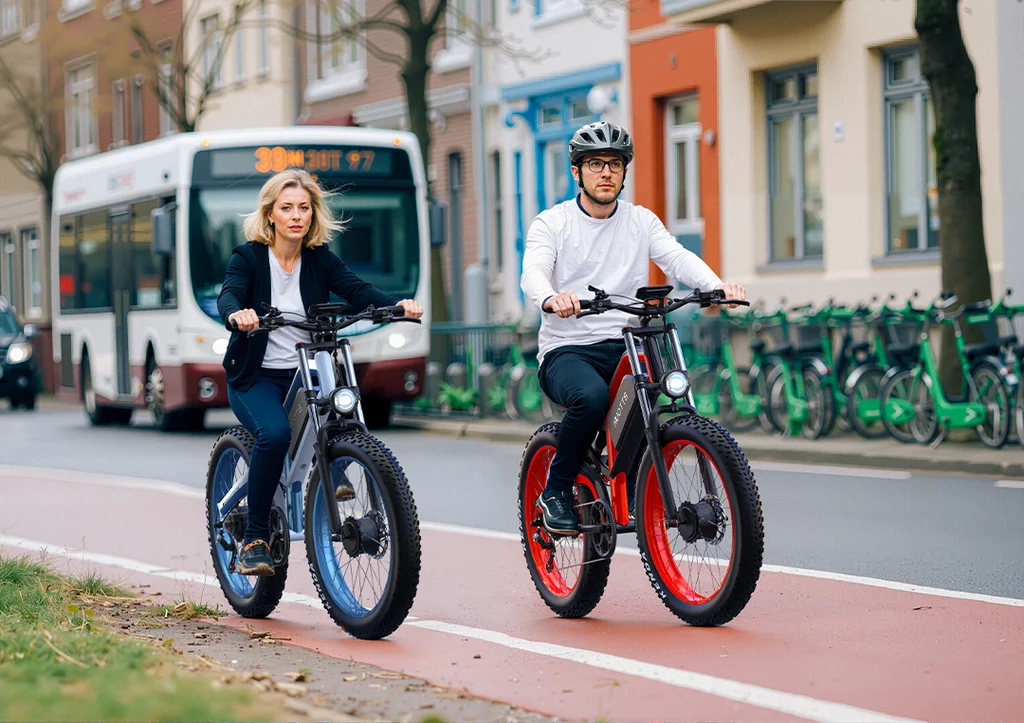
Transportation has changed dramatically over the years, with new technologies making travel faster, safer, and more convenient. Among the most exciting innovations in recent years is the electric bike, commonly known as the e-bike. Combining the simplicity of a traditional bicycle with the power of an electric motor, e-bikes have become a popular choice for commuters, fitness enthusiasts, and environmentally conscious individuals. As cities become more crowded and concerns about pollution continue to grow, electric bikes offer a practical and sustainable solution for modern transportation needs.
What Is an Electric Bike?
An electric bike is a bicycle equipped with an electric motor and a rechargeable battery that assists the rider while pedaling. Unlike motorcycles or scooters, most electric bikes still require some level of pedaling, although the motor provides additional power to make riding easier. The amount of assistance can usually be adjusted depending on the rider’s preference and the terrain.
Electric bikes come in various styles, including commuter bikes, mountain bikes, folding bikes, and cargo bikes. This variety allows users to choose a model that best fits their lifestyle and transportation requirements.
The Growing Popularity of Electric Bikes
The popularity of electric bikes has increased significantly over the past decade. People are becoming more aware of the benefits they offer, particularly in urban areas where traffic congestion is a daily challenge. Many commuters have discovered that e-bikes allow them to travel quickly without the frustration of sitting in traffic.
In addition, rising fuel prices have encouraged many individuals to look for more affordable transportation options. Electric bikes provide a cost-effective alternative to cars and motorcycles while offering greater flexibility for short and medium-distance travel.
Environmental Benefits
One of the biggest advantages of electric bikes is their positive impact on the environment. Traditional vehicles powered by gasoline contribute to air pollution and greenhouse gas emissions. Electric bikes, on the other hand, produce little to no direct emissions during operation.
Because they consume significantly less energy than cars, e-bikes help reduce overall carbon footprints. When more people choose electric bikes instead of driving, cities experience less traffic congestion and improved air quality. This makes electric bikes an important tool in promoting sustainable transportation and protecting the environment.
Health and Fitness Advantages
Many people assume that electric bikes eliminate physical exercise, but this is not true. Riders still pedal and engage in physical activity while receiving assistance from the motor. This makes cycling accessible to individuals who may find traditional biking too physically demanding.
Electric bikes encourage regular movement and can improve cardiovascular health, muscle strength, and overall fitness. They are especially beneficial for older adults or individuals recovering from injuries who want to remain active without placing excessive strain on their bodies. By making cycling more enjoyable and less exhausting, electric bikes motivate people to spend more time outdoors and stay physically active.
Monsters are real, and ghosts are real too. They live inside us, and sometimes, they win. It is a truth universally acknowledged, that a single man in possession of a good fortune must be in want of a wife. You have enemies? Good. That means you’ve stood up for something, sometime in your life.
Cost-Effective Transportation
Owning and operating an electric bike is generally much less expensive than maintaining a car or motorcycle. E-bikes require less maintenance, consume minimal electricity, and do not require fuel purchases. Charging a battery typically costs only a small amount compared to the expense of filling a fuel tank.
In addition, electric bike owners can often avoid parking fees and reduce transportation expenses associated with public transit. Over time, these savings can be substantial, making electric bikes an attractive option for budget-conscious individuals.
Convenience for Daily Commuting
Electric bikes are particularly useful for commuting. They allow riders to travel longer distances with less effort and arrive at their destinations without feeling exhausted. This is especially valuable for people who commute to work or school and want to avoid arriving sweaty or tired.
Many cities are expanding cycling infrastructure by adding bike lanes and secure parking facilities. These improvements make electric biking safer and more convenient than ever before. Folding electric bikes offer additional flexibility because they can be easily stored in small apartments or carried onto public transportation.
Technological Innovations
Modern electric bikes are equipped with advanced technology that enhances performance and user experience. Features such as digital displays, smartphone connectivity, GPS navigation, and battery monitoring systems provide riders with useful information during their journeys.
Battery technology has also improved significantly. Today’s e-bike batteries offer longer ranges, faster charging times, and greater durability. Some high-end models can travel more than 100 kilometers on a single charge, making them suitable for extended trips and daily commuting alike.
Challenges Facing Electric Bikes
Despite their many advantages, electric bikes do face certain challenges. The initial purchase price can be higher than that of a traditional bicycle. Although long-term savings often offset this cost, the upfront investment may discourage some potential buyers.
Battery replacement can also be expensive after several years of use. Additionally, regulations regarding e-bike speeds and usage vary between countries and regions, creating confusion for some riders. Improving public awareness and infrastructure will help address many of these concerns in the future.
The Future of Electric Mobility
As technology continues to evolve, electric bikes are expected to play an even greater role in transportation systems worldwide. Governments and city planners increasingly recognize the benefits of promoting cycling as a solution to traffic congestion and environmental challenges.
Manufacturers are investing heavily in research and development to create lighter, more efficient, and more affordable electric bikes. As these improvements continue, e-bikes will become accessible to a wider range of people and further contribute to sustainable urban mobility.
Conclusion
Electric bikes represent a smart combination of technology, convenience, and environmental responsibility. They offer an efficient transportation solution that reduces pollution, promotes physical activity, and saves money. With advancements in battery technology and growing support for cycling infrastructure, electric bikes are becoming an increasingly attractive option for people around the world. As cities seek cleaner and more sustainable ways to move people, electric bikes are poised to play a key role in shaping the future of transportation.