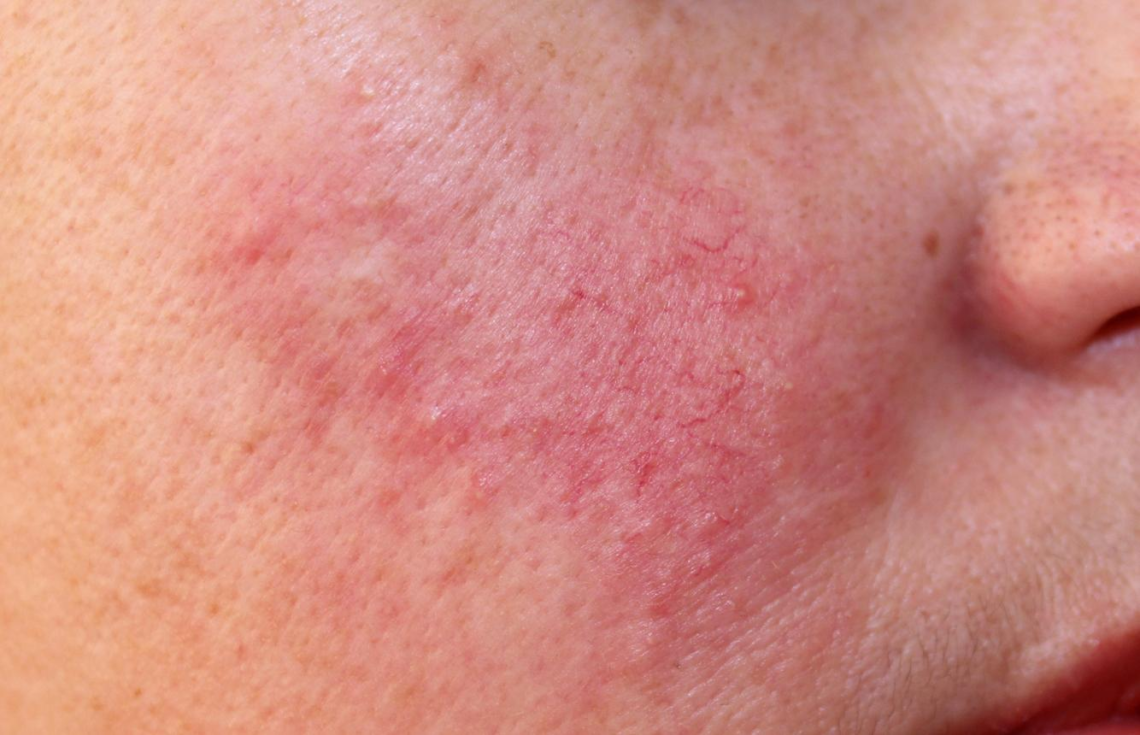
Rosacea is one of the most common chronic skin conditions affecting adults, yet it is often misunderstood. Many people assume persistent facial redness is simply a sign of sensitive skin or temporary flushing, when in reality it may be a symptom of an underlying inflammatory skin disorder.
For people living with rosacea, facial redness can become one of the most frustrating symptoms. Unlike occasional blushing, persistent erythema may remain visible throughout the day, affecting self-confidence and quality of life. Although there is no permanent cure for rosacea, modern dermatology offers several treatment options that can help control its symptoms.
One of the most effective topical treatments developed specifically for persistent facial redness is brimonidine 0.33% gel, which works by temporarily reducing the appearance of redness through targeted constriction of superficial blood vessels.
Understanding Rosacea
Rosacea is a chronic inflammatory skin condition that primarily affects the central face. It most commonly appears after the age of 30 and is more frequently diagnosed in individuals with fair skin, although it can occur in all skin types.
Common symptoms include:
- Persistent facial redness
- Frequent flushing
- Visible facial blood vessels (telangiectasia)
- Burning or stinging sensations
- Sensitive skin
- Papules and pustules resembling acne
- Dry or irritated skin
Symptoms usually develop gradually and may worsen over time if left untreated.
Why Facial Redness Occurs
Persistent redness in rosacea is largely caused by abnormal regulation of the small blood vessels located near the surface of the skin.
Various triggers may cause these vessels to dilate, including:
- Sun exposure
- Hot weather
- Alcohol
- Spicy foods
- Emotional stress
- Hot beverages
- Vigorous exercise
- Wind exposure
- Certain skincare products
Repeated dilation of facial blood vessels eventually leads to long-lasting erythema that becomes increasingly difficult to conceal.
The Emotional Impact of Rosacea
Although rosacea is not a dangerous disease, its psychological impact should not be underestimated.
Many patients report:
- Reduced self-confidence
- Anxiety during social interactions
- Embarrassment
- Avoidance of photographs
- Difficulty participating in professional meetings
- Lower overall quality of life
Because facial redness is highly visible, successful symptom control often improves emotional well-being alongside physical appearance.
How Brimonidine Works
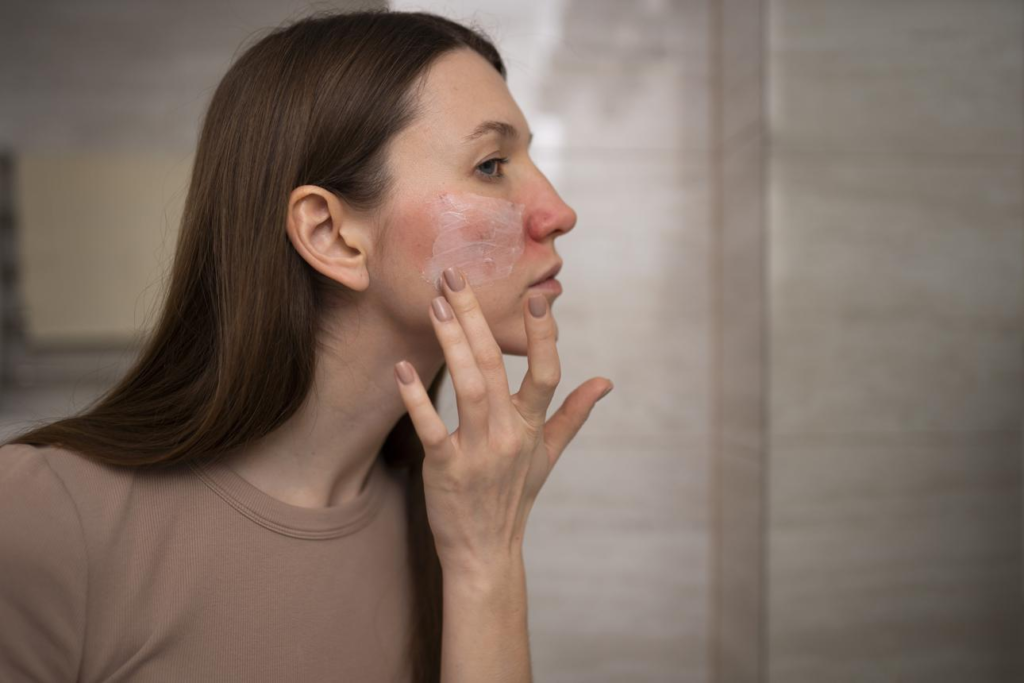
Unlike medications that primarily reduce inflammation, brimonidine targets the visible redness itself.
Brimonidine is a selective alpha-2 adrenergic receptor agonist. After topical application, it temporarily constricts dilated superficial blood vessels in the skin, reducing facial erythema without permanently altering the blood vessels. Clinical studies show that improvement may begin within approximately 30 minutes and can last for up to 12 hours in many patients.
This makes it especially useful for individuals experiencing persistent redness rather than inflammatory bumps alone.
Who May Benefit From Brimonidine Gel?
Healthcare professionals may consider topical brimonidine for adults with persistent facial erythema associated with rosacea.
It may be particularly suitable for people who:
- Experience continuous facial redness
- Have redness that interferes with daily activities
- Want temporary cosmetic improvement during the day
- Need symptom control for work or social events
- Continue experiencing redness despite a gentle skincare routine
A dermatologist can determine whether brimonidine is appropriate based on the individual’s symptoms and medical history.
What Results Can Patients Expect?
Brimonidine is designed to improve facial redness, but it does not cure rosacea itself.
Many patients notice:
- Reduced visible redness
- More even skin tone
- Less flushing during the day
- Improved confidence
- Better cosmetic appearance
Because the medication primarily affects blood vessel diameter, inflammatory lesions such as papules and pustules may require additional treatments prescribed by a healthcare professional.
Tips for Better Rosacea Management
Medication works best when combined with healthy skincare habits.
Dermatologists commonly recommend:
Use Gentle Cleansers
Avoid harsh soaps, alcohol-based toners, and aggressive exfoliants that may further irritate sensitive skin.
Moisturize Daily
A healthy skin barrier can reduce irritation and improve comfort.
Wear Sunscreen Every Day
Ultraviolet exposure is one of the most common rosacea triggers. Daily use of broad-spectrum sunscreen helps protect sensitive skin.
Identify Personal Triggers
Keeping a symptom diary can help identify foods, activities, or environmental conditions that worsen facial redness.
Avoid Overheating
Excessive heat may trigger flushing in many patients.
Possible Side Effects
Like any medication, topical brimonidine may cause side effects in some individuals.
Possible reactions include:
- Mild burning
- Skin irritation
- Temporary flushing
- Dryness
- Contact dermatitis
Some patients may experience temporary worsening of redness after treatment, making it important to follow the instructions provided by a healthcare professional and report any unusual reactions.
Finding Quality Treatment Options
When choosing topical medications, patients should purchase products from trusted suppliers that provide authentic pharmaceutical products.
Patients interested in learning more about Brimonidine 0.33% Erythego Gel (Mirvaso Generic) can review detailed product information, usage guidance, and formulation details before discussing treatment options with their healthcare provider.
Final Thoughts
Persistent facial redness can significantly affect both physical comfort and emotional well-being. While rosacea is a chronic condition that requires ongoing management, modern topical therapies have made symptom control more achievable than ever before.
Brimonidine 0.33% gel offers a targeted approach for reducing facial erythema by temporarily narrowing dilated blood vessels, allowing many patients to enjoy noticeable improvements in facial appearance throughout the day. When combined with trigger avoidance, gentle skincare, and regular dermatological care, it can become an important part of a comprehensive rosacea management plan.