



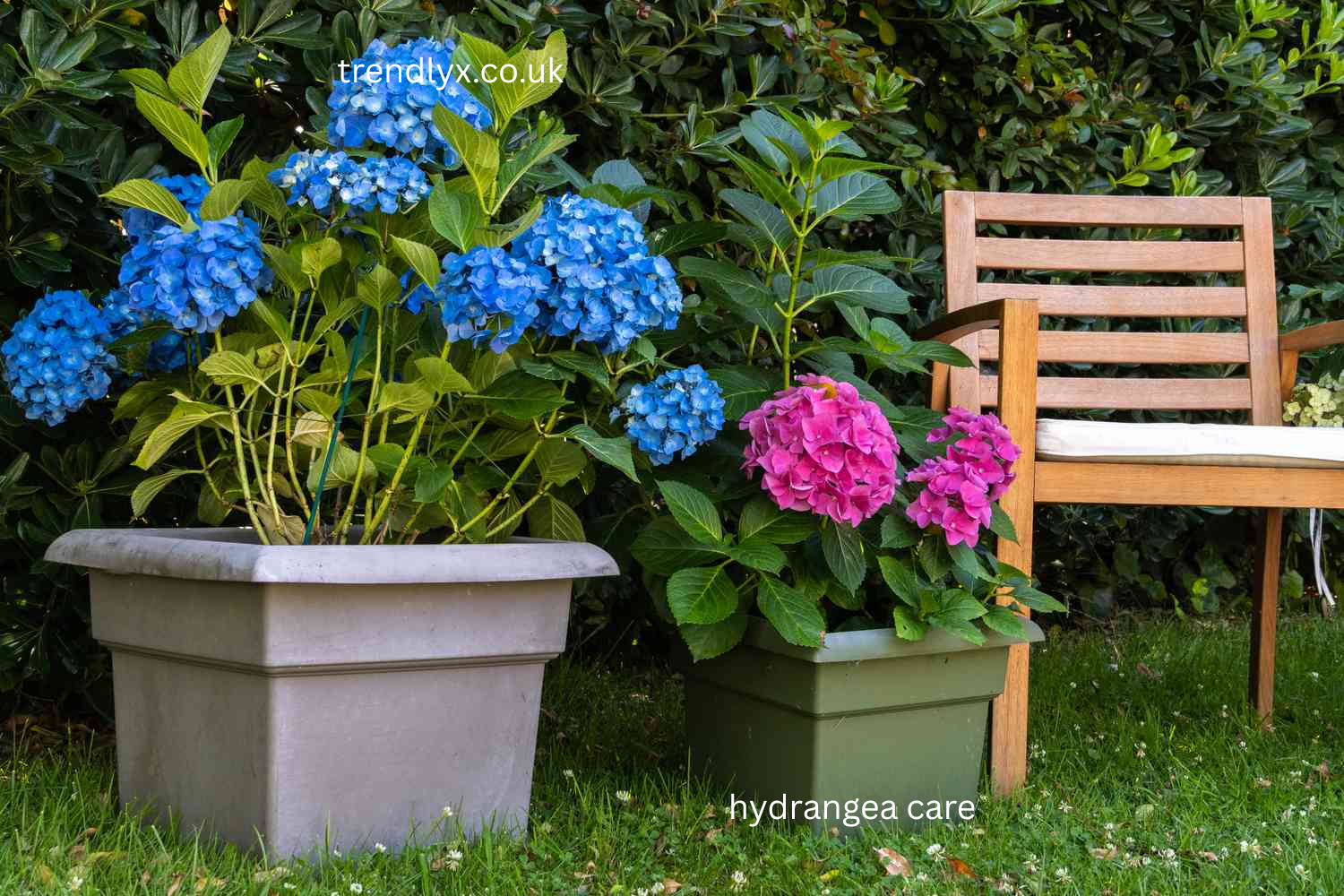
Hydrangeas are among the most admired ornamental plants in the gardening world. Their large, colorful blooms, lush foliage, and long flowering seasons make them a favorite for landscapes, patios, and home gardens. However, achieving those stunning flowers requires proper hydrangea care. Understanding how to meet their needs throughout the year ensures your plants remain healthy and produce abundant blooms.
This comprehensive guide covers everything you need to know about hydrangea care, including planting, watering, fertilizing, pruning, pest control, seasonal maintenance, and expert tips for long-term success.
Understanding Hydrangeas Before Starting Hydrangea Care
Before learning advanced hydrangea care techniques, it’s essential to understand the plant itself. Hydrangeas belong to a group of flowering shrubs known for their globe-shaped or cone-shaped flower clusters. They come in multiple varieties, each with slightly different care requirements.
Common hydrangea types include:
- Bigleaf Hydrangea (Hydrangea macrophylla)
- Panicle Hydrangea (Hydrangea paniculata)
- Smooth Hydrangea (Hydrangea arborescens)
- Oakleaf Hydrangea (Hydrangea quercifolia)
- Mountain Hydrangea (Hydrangea serrata)
According to the Royal Horticultural Society, identifying your hydrangea type is crucial because pruning timing and sunlight needs vary significantly between species.
Hydrangea Care: Choosing the Right Planting Location
Location plays a major role in hydrangea success. Hydrangeas generally prefer:
- Morning sunlight
- Afternoon shade
- Protection from strong winds
- Well-draining soil
Too much sun can scorch leaves, while too much shade can reduce flowering. The balance of light is one of the most important factors in successful hydrangea.
If you live in a hot climate, choosing a spot with filtered sunlight or partial shade is ideal.
Hydrangea Care: Soil Preparation and Requirements
Healthy soil is the foundation of proper hydrangea. Hydrangeas thrive in soil that is:
- Rich in organic matter
- Moist but well-drained
- Slightly acidic to neutral (depending on variety)
Adding compost before planting improves soil fertility and drainage.
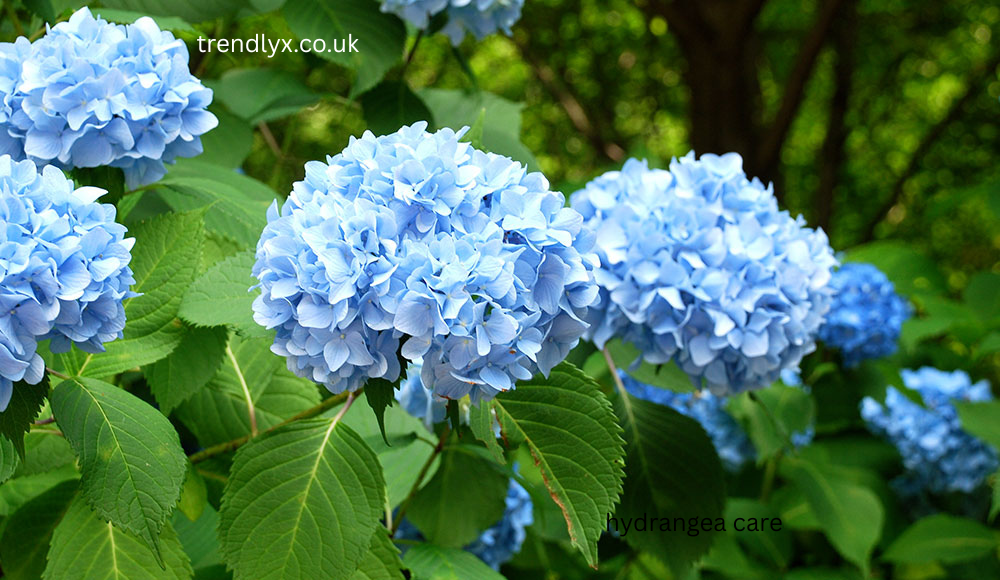
One fascinating aspect of hydrangea is soil pH influence on flower color:
- Acidic soil produces blue flowers
- Neutral soil produces purple flowers
- Alkaline soil produces pink flowers
This color-changing ability makes hydrangeas unique among garden plants.
Hydrangea Care: Watering Techniques for Strong Growth
Watering is one of the most critical aspects of hydrangea. Hydrangeas require consistent moisture but should never sit in waterlogged soil.
Best watering practices include:
- Deep watering 2–3 times per week
- Watering early morning or evening
- Watering at the plant base instead of leaves
- Increasing frequency during hot weather
Mulching around the plant helps retain moisture and stabilize soil temperature.
Signs your hydrangea needs water include drooping leaves and dry soil.
Hydrangea Care: Sunlight Needs for Different Varieties
Different hydrangea species have different sunlight tolerances.
General guidelines:
- Bigleaf hydrangeas prefer partial shade
- Panicle hydrangeas tolerate more sun
- Smooth hydrangeas prefer moderate sunlight
- Oakleaf hydrangeas tolerate shade better
Observing your plant’s response helps you adjust its location if necessary.
Hydrangea Care: Fertilizing for Better Blooms
Fertilizer provides essential nutrients for strong growth and vibrant flowers.
Recommended fertilization tips:
- Apply balanced fertilizer in early spring
- Use slow-release fertilizer for long-term feeding
- Avoid over-fertilizing, which can reduce blooms
- Add compost annually for natural nutrients
Excess nitrogen leads to leafy growth without flowers, so moderation is key in hydrangea.
Hydrangea Care: Pruning Techniques Explained
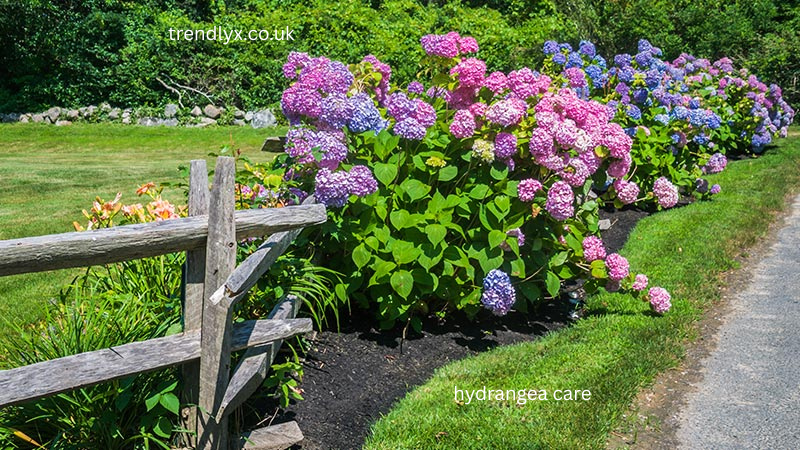
Pruning is one of the most confusing parts of hydrangea because it depends on the variety.
Old Wood Bloomers
These hydrangeas bloom on stems formed the previous year.
Examples:
- Bigleaf hydrangeas
- Oakleaf hydrangeas
Prune immediately after flowering.
New Wood Bloomers
These bloom on current-year growth.
Examples:
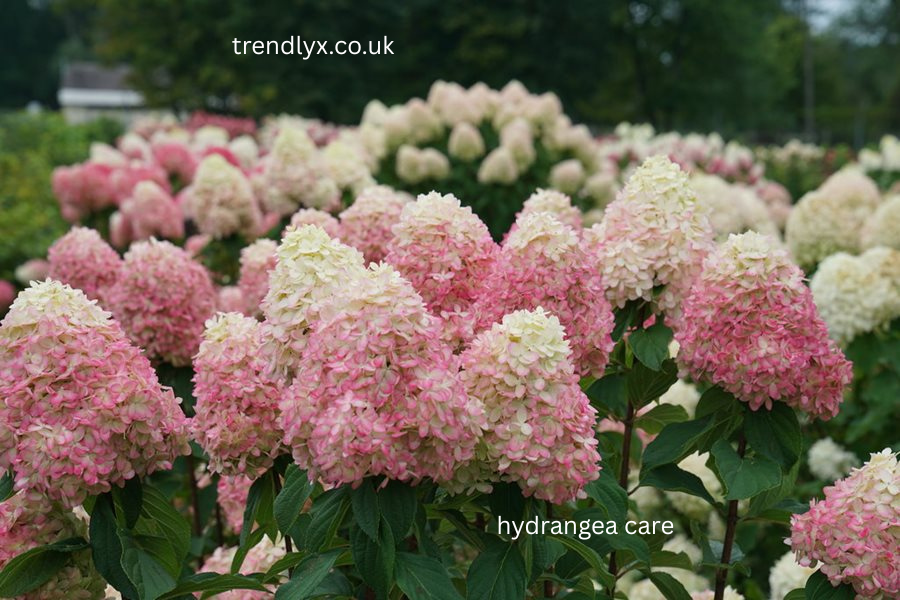
- Panicle hydrangeas
- Smooth hydrangeas
Prune in late winter or early spring.
Incorrect pruning timing is a common reason hydrangeas fail to bloom.
Hydrangea Care: Seasonal Maintenance Guide
Seasonal attention ensures year-round plant health.
Spring Hydrangea Care
Spring tasks include:
- Removing winter protection
- Fertilizing
- Checking for dead branches
- Light pruning if necessary
- Inspecting for pests
Spring is the most important growth period.
Summer Hydrangea Care
Summer maintenance focuses on:
- Frequent watering
- Deadheading flowers
- Providing shade during heat waves
- Monitoring pests
Hydrangeas often require extra care during extreme temperatures.
Fall Hydrangea Care
Fall preparation includes:
- Reducing fertilizer
- Adding compost
- Preparing winter protection
- Avoiding heavy pruning
Fall is about strengthening roots for winter survival.
Winter Hydrangea Care
Cold protection methods include:
- Mulching root area
- Covering with burlap
- Protecting from wind exposure
Winter damage can impact next year’s blooms, making protection important.
Hydrangea Care: Growing Hydrangeas in Containers
Container gardening is an excellent option for small spaces.
Container hydrangea tips:
- Choose large pots with drainage holes
- Use high-quality potting soil
- Water more frequently than ground plants
- Fertilize regularly
- Provide partial shade
Potted hydrangeas may require winter protection because roots are more exposed to cold.
Hydrangea Care: Changing Flower Color Naturally
One of the most fascinating aspects of hydrangea is altering flower color.
To change color:
- Add aluminum sulfate for blue flowers
- Add garden lime for pink flowers
This process takes time and works best with bigleaf varieties.
Color change depends entirely on soil chemistry.
Hydrangea Care: Common Problems and Solutions
Even with proper hydrangea, issues may arise.
Wilting Leaves
Possible causes:
- Heat stress
- Underwatering
- Root problems
Solution: Deep watering and mulching.
No Blooms
Causes include:
- Incorrect pruning
- Frost damage
- Too much nitrogen
- Insufficient sunlight
Solution: Adjust care based on variety needs.
Yellow Leaves
Possible reasons:
- Nutrient deficiency
- Poor drainage
- Overwatering
Improving soil conditions usually resolves this.
Brown Edges on Flowers
Often caused by:
- Sunburn
- Drought
- Wind exposure
Providing shade and consistent moisture helps prevent damage.
Hydrangea Care: Pest and Disease Prevention
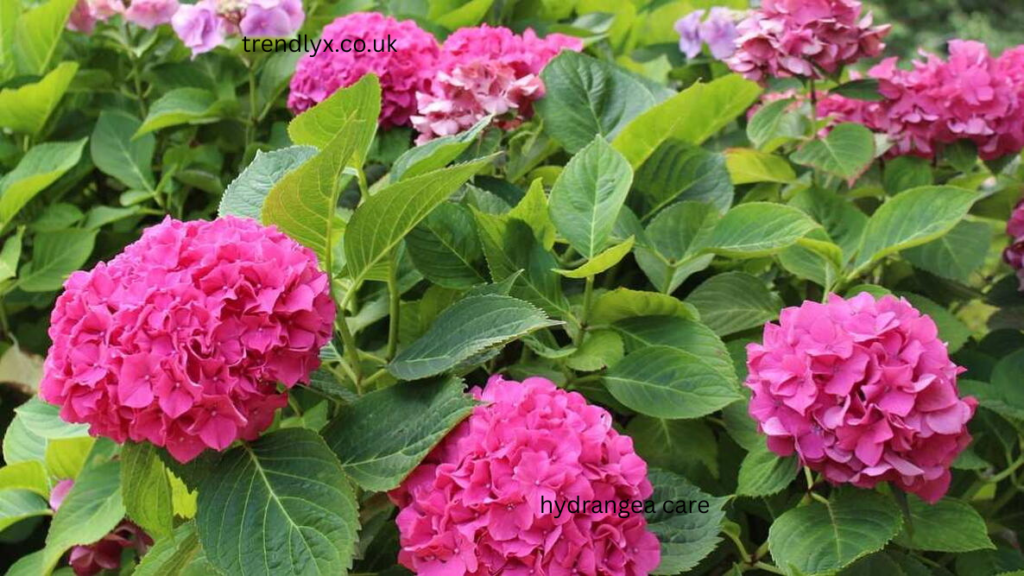
Hydrangeas are relatively hardy but can face pests and diseases.
Common pests:
- Aphids
- Spider mites
- Japanese beetles
- Scale insects
Common diseases:
- Powdery mildew
- Leaf spot
- Root rot
Preventive hydrangea includes:
- Good air circulation
- Proper spacing
- Avoiding overhead watering
- Removing infected leaves
Healthy plants naturally resist pests better.
Hydrangea Care: Propagation Methods for New Plants
You can create new plants through propagation.
Stem Cuttings
Steps:
- Cut healthy stem
- Remove lower leaves
- Dip in rooting hormone
- Plant in moist soil
- Maintain humidity
Roots typically develop within weeks.
Layering
Bend a branch into soil until roots form, then separate.
Propagation is cost-effective and rewarding.
Hydrangea Care: Landscaping Ideas and Design Tips
Hydrangeas are versatile landscape plants.
Popular uses include:
- Garden borders
- Walkway accents
- Privacy hedges
- Foundation plantings
- Decorative containers
They pair beautifully with:
- Hostas
- Ferns
- Roses
- Azaleas
Hydrangeas add elegance and color depth to any landscape design.
Hydrangea Care: Climate-Specific Tips
Climate influences hydrangea requirements.
Hot Regions
- Provide afternoon shade
- Water frequently
- Use thick mulch
Cold Regions
- Choose cold-hardy varieties
- Protect during winter
- Avoid late-season pruning
Humid Regions
- Ensure good airflow
- Monitor fungal diseases
- Space plants properly
Adapting care to your climate improves success rates.
Hydrangea Care: Indoor Hydrangea Maintenance
Some hydrangeas can be grown indoors temporarily.
Indoor care includes:
- Bright indirect light
- Consistent watering
- Cool nighttime temperatures
- High humidity
Indoor hydrangeas are often transplanted outdoors later.
Hydrangea Care: Benefits of Mulching
Mulch provides several benefits:
- Moisture retention
- Temperature control
- Weed suppression
- Soil improvement
Organic mulch options include bark, straw, compost, and pine needles.
Apply mulch 2–3 inches thick around the plant base.
Hydrangea Care: Mistakes to Avoid
Common hydrangea mistakes include:
- Overwatering
- Planting in full harsh sun
- Pruning at the wrong time
- Ignoring soil drainage
- Overfertilizing
- Neglecting winter protection
Avoiding these mistakes dramatically improves plant performance.
Hydrangea Care: Long-Term Maintenance for Healthy Plants
Hydrangeas can live for decades with proper maintenance.
Long-term hydrangea includes:
- Regular soil improvement
- Proper pruning schedules
- Seasonal fertilization
- Pest monitoring
- Occasional rejuvenation pruning
Mature plants often produce larger and more impressive blooms.
Hydrangea Care FAQs
How often should hydrangeas be watered?
Typically 2–3 times per week, more during hot weather.
Do hydrangeas come back every year?
Yes, they are perennial shrubs.
Can hydrangeas grow in full sun?
Some varieties can tolerate full sun, but most prefer partial shade.
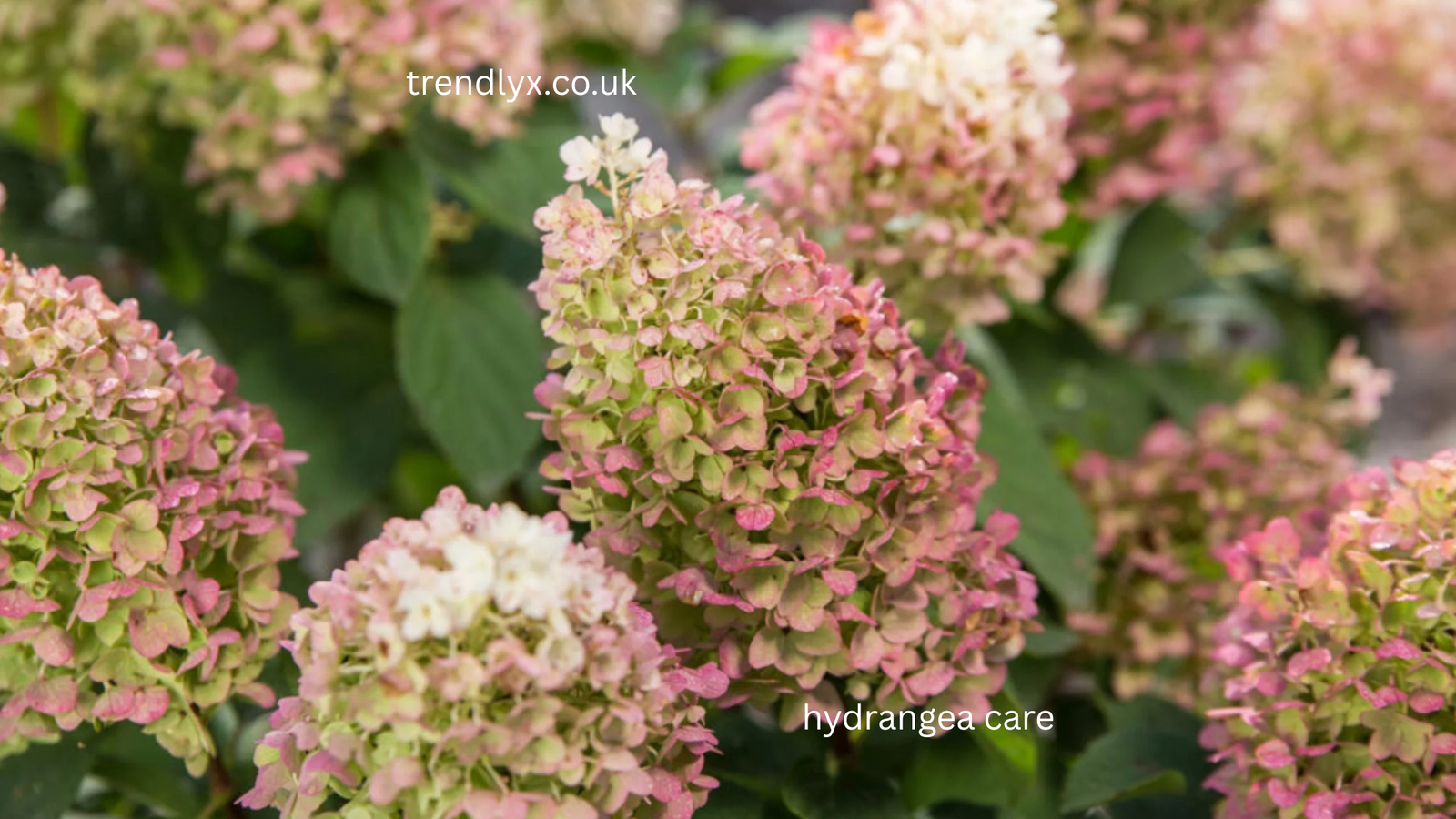
Why are my hydrangea flowers turning green?
This is usually a natural aging process.
When should hydrangeas be pruned?
Timing depends on whether they bloom on old or new wood.
Final Thoughts on Hydrangea Care
Hydrangea care may seem complex at first, but once you understand the basics — proper watering, correct pruning timing, healthy soil, and suitable sunlight — these plants become surprisingly easy to grow.
Their breathtaking blooms, long flowering season, and versatility make hydrangeas one of the most rewarding plants for gardeners of all skill levels. With consistent care and attention, hydrangeas can thrive for many years, providing beauty and charm to any outdoor space.
Whether you’re a beginner gardener or an experienced plant enthusiast, mastering hydrangea care will allow you to enjoy vibrant flowers season after season.
