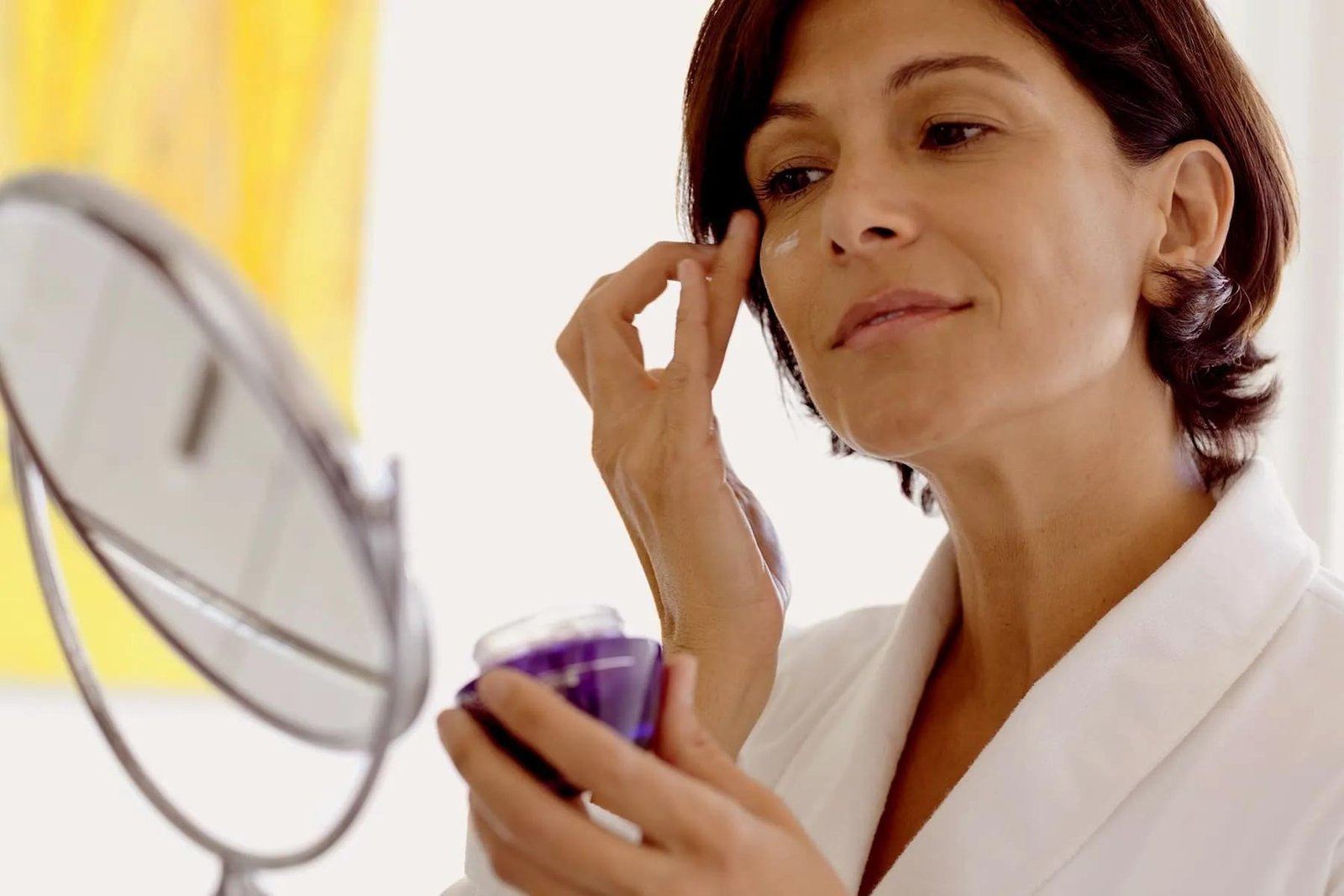
When discussing powerful skincare ingredients, retinoids almost always dominate the conversation. For decades, dermatologists have relied on vitamin A derivatives to help manage acne, improve skin texture, reduce visible signs of aging, and support overall skin renewal.
While many people are familiar with tretinoin, fewer know about tazarotene—a newer generation retinoid that has gained significant attention among skincare enthusiasts and dermatology professionals alike. Known for its potency and versatility, tazarotene is frequently used for acne management, plaque psoriasis, and skin rejuvenation. It belongs to the third generation of topical retinoids and works by influencing skin cell growth and turnover.
As more individuals seek advanced skincare solutions, tazarotene continues to attract interest as a powerful option for supporting clearer, smoother, and healthier-looking skin.
Understanding Why Skin Renewal Matters

Healthy skin depends on a continuous cycle of renewal. New cells are constantly produced beneath the surface and gradually move upward, replacing older cells that eventually shed away.
When this process functions efficiently, skin often appears:
- Brighter
- Smoother
- More even-toned
- Less congested
- More youthful
However, several factors can slow skin renewal over time:
- Aging
- Sun exposure
- Environmental pollution
- Stress
- Hormonal changes
- Inadequate skincare habits
As turnover slows, dead skin cells may accumulate, leading to rough texture, clogged pores, uneven tone, and visible signs of aging.
What Is Tazarotene?
Tazarotene is a topical retinoid derived from vitamin A. It works by influencing the behavior of skin cells, helping normalize skin growth and encouraging more efficient cell turnover. Tazarotene is commonly used for acne and plaque psoriasis and is also widely discussed for its skin-renewing and photoaging benefits.
Because of its potency, tazarotene is often considered one of the more advanced retinoid options available.
Unlike many cosmetic ingredients that provide only surface-level improvements, retinoids help support biological processes involved in skin renewal and repair.
Why Tazarotene Has Become So Popular
One reason for tazarotene’s growing popularity is its ability to address multiple concerns simultaneously.
Individuals frequently explore tazarotene-based skincare routines to help improve:
Acne-Prone Skin
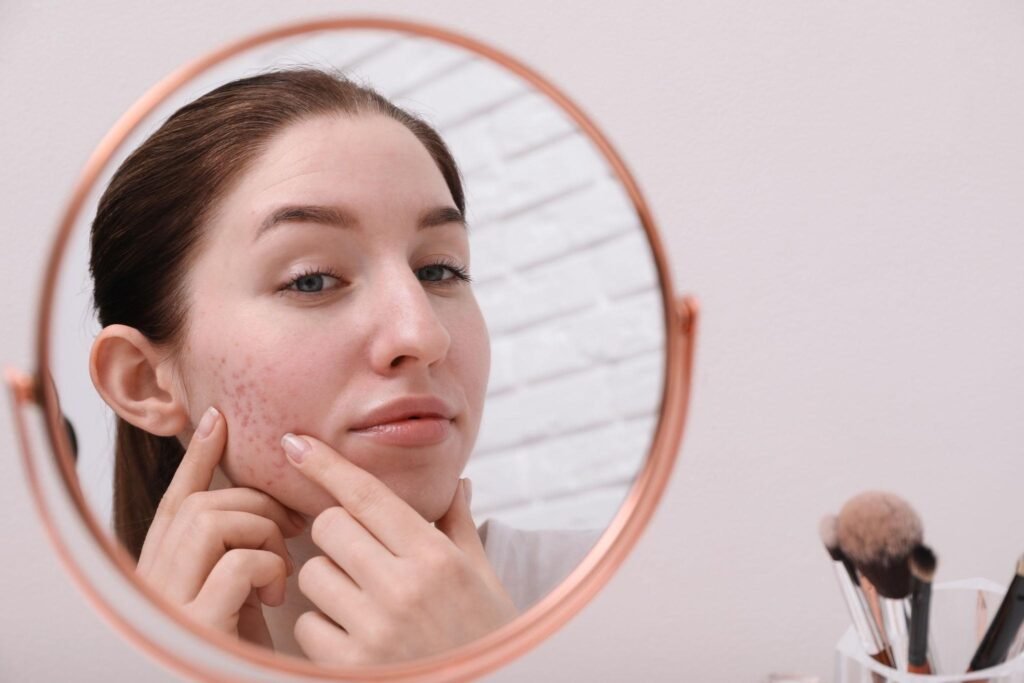
Acne often develops when pores become blocked with excess oil, bacteria, and dead skin cells.
By supporting healthy cell turnover, tazarotene helps reduce the buildup that contributes to clogged pores and breakouts. Tazarotene 0.1% is indicated for topical acne treatment and is commonly used in acne-focused skincare routines.
Uneven Skin Texture
Roughness and irregular texture can result from accumulated dead skin cells and slower skin renewal.
Retinoids are frequently used to promote smoother-looking skin and improve overall skin feel.
Signs of Aging
Fine lines, loss of radiance, and uneven tone often become more noticeable as skin ages.
Because tazarotene encourages skin renewal, it is frequently incorporated into anti-aging skincare strategies aimed at maintaining healthier-looking skin.
Skin Clarity
Many users appreciate that retinoid-based routines can contribute to a brighter and more refined complexion over time.
Tazarotene vs Traditional Retinoids
Many skincare enthusiasts eventually compare tazarotene with other retinoids such as tretinoin or adapalene.
Although all belong to the retinoid family, tazarotene is often viewed as one of the more potent options available. It is a third-generation retinoid and is frequently selected by individuals seeking stronger skin renewal effects.
Because of this potency, experienced retinoid users often consider tazarotene when looking to advance their skincare routines.
The Importance of Patience
One of the most important aspects of any retinoid routine is understanding that results take time.
Skin renewal is a gradual biological process.
Individuals beginning retinoid use may experience an adjustment period that can include:
- Dryness
- Mild peeling
- Temporary redness
- Increased sensitivity
These effects are commonly associated with the skin adapting to accelerated cell turnover. Local irritation, redness, peeling, and dryness are among the most commonly reported effects associated with topical tazarotene use.
Many experienced users find that consistency and patience produce better long-term outcomes than aggressive application.
Building a Supportive Skincare Routine
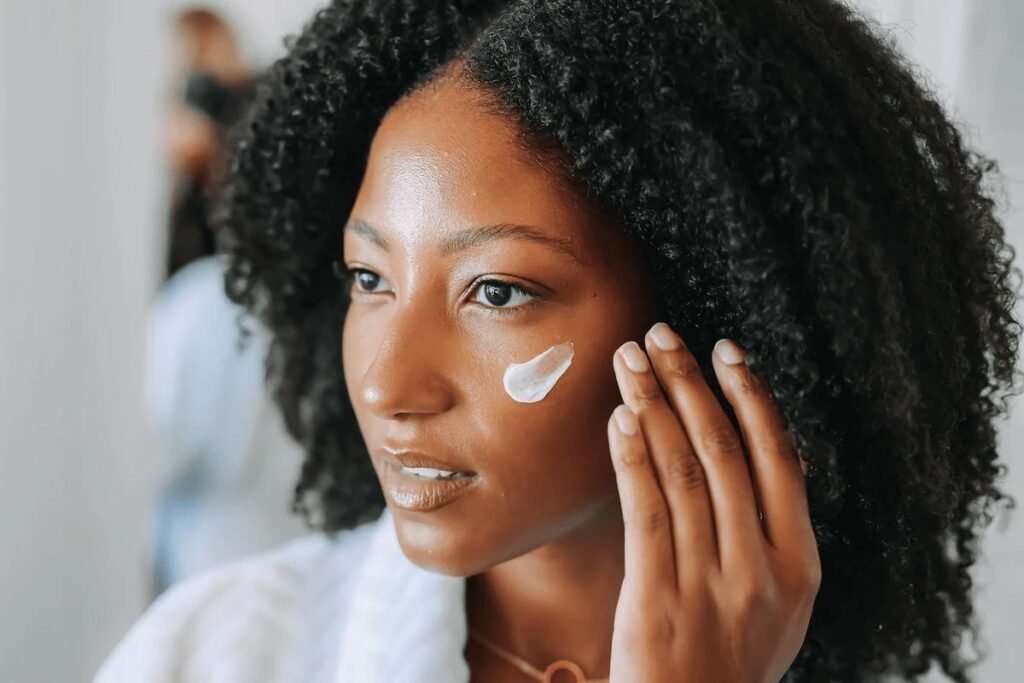
Retinoids generally perform best when paired with supportive skincare habits.
Gentle Cleansing
A mild cleanser helps remove dirt and excess oil without compromising the skin barrier.
Daily Moisturization
Hydrated skin often tolerates active ingredients more comfortably.
Sun Protection
Because retinoids may increase sensitivity to sunlight, sunscreen plays a critical role in maintaining skin health. Sun protection is routinely recommended while using tazarotene-containing products.
Avoiding Excessive Exfoliation
Combining multiple aggressive treatments can sometimes overwhelm the skin and increase irritation.
Why Consistency Matters
One reason many people become disappointed with skincare products is unrealistic expectations.
Visible improvements rarely occur overnight.
Successful long-term skincare routines generally involve:
- Regular application
- Consistent habits
- Patience
- Realistic expectations
- Proper skin protection
Individuals who remain committed to a routine often notice more meaningful changes over time.
Choosing a Tazarotene-Based Product
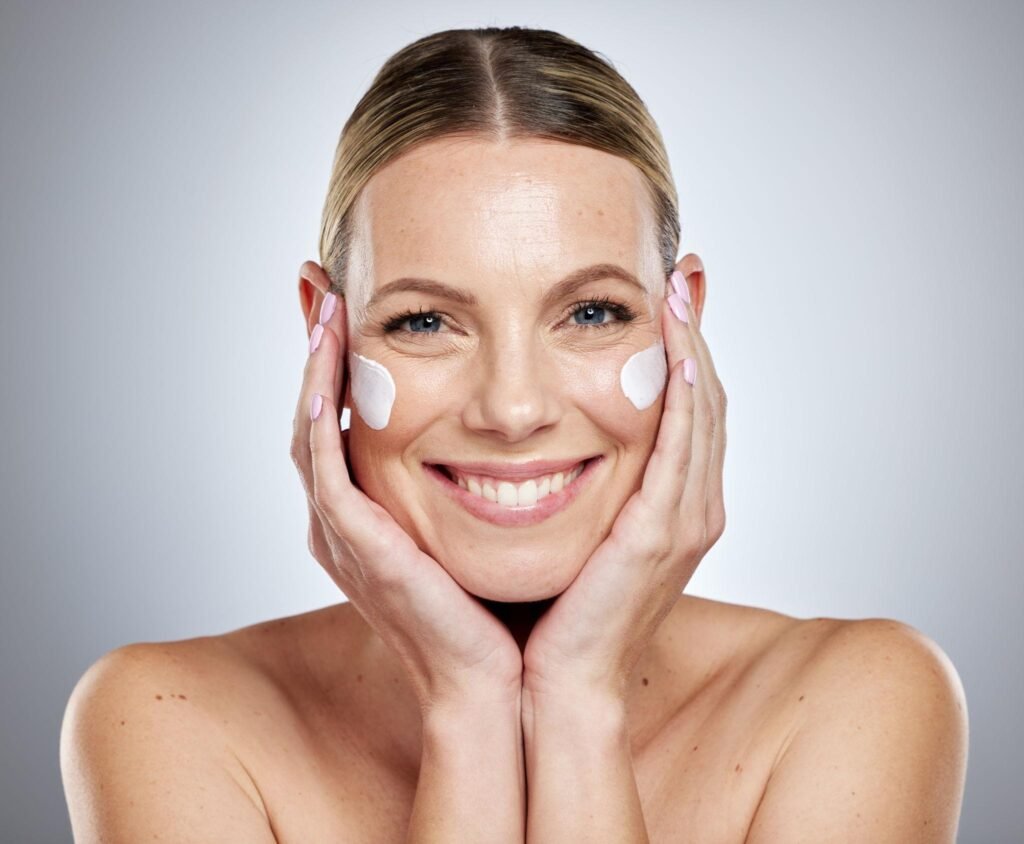
As awareness of advanced retinoids continues to grow, many skincare enthusiasts seek products specifically formulated with tazarotene.
One popular option is Tazret Tazarotene Cream, available in both 0.05% and 0.1% strengths. Tazarotene-based formulations are commonly used in skincare routines focused on acne management, skin renewal, texture improvement, and overall complexion enhancement. The product is described as a generic alternative to Tazorac and is available in moderate and potent strengths.
For experienced retinoid users seeking a more advanced approach to skin renewal, tazarotene remains one of the most recognized options available.
Common Mistakes to Avoid
Even effective skincare ingredients can produce disappointing results when used incorrectly.
Using Too Much Product
Applying excessive amounts does not necessarily improve results and may increase irritation.
Skipping Moisturizer
Maintaining hydration helps support skin comfort and barrier function.
Ignoring Sunscreen
Sun protection remains one of the most important habits when using retinoids.
Expecting Immediate Results
Skin renewal takes time, and meaningful improvements generally develop gradually.
Long-Term Benefits of Skin Renewal
Many people continue using retinoids for years because they appreciate the cumulative benefits of consistent skin renewal.
Potential long-term goals often include:
- Smoother texture
- Brighter appearance
- Improved skin clarity
- Reduced pore congestion
- More even skin tone
- Enhanced confidence
These benefits help explain why retinoids continue to occupy such a central place in modern skincare.
Final Thoughts
Few skincare ingredients have maintained the reputation and versatility of retinoids. Among them, tazarotene has earned attention as a powerful third-generation option for individuals seeking advanced skin renewal and long-term skin improvement.
Whether the goal is managing acne, improving texture, supporting clearer skin, or maintaining a youthful-looking complexion, retinoid-based skincare continues to play an important role in modern dermatology. Combined with consistency, proper hydration, and daily sun protection, tazarotene may help support healthier, smoother, and more radiant-looking skin over time.